Master the Art of Traditional Moroccan Tagine Cooking
The tagine is more than just a cooking vessel—it's the heart of Moroccan cuisine, a centuries-old tradition that transforms simple ingredients into aromatic masterpieces. At DarAmira Cooking Class, we believe that understanding the tagine is essential to understanding Morocco itself.
The Sacred Clay Pot: Choosing Your Tagine
Not all tagines are created equal. The traditional Moroccan tagine is made from clay, carefully molded by artisan hands in the ancient pottery workshops of Safi and Fez. The conical lid serves a brilliant purpose: it traps steam rising from the ingredients, which then condenses and drips back down, creating a self-basting environment that keeps everything moist and flavorful.
Tagine Selection Tips
- Choose unglazed clay for authentic flavor
- Season new tagines with olive oil
- Start with low heat to prevent cracking
- Look for hand-painted Berber designs
- Medium size (12 inches) is most versatile
The Perfect Spice Blend: Layering Flavors
The magic of tagine lies in its spice symphony. We use a base of cumin, coriander, ginger, and turmeric, then add complexity with cinnamon, paprika, and saffron threads. Each spice is toasted briefly to awaken its essential oils before being ground fresh—this single step elevates your tagine from good to extraordinary.
A tagine is patient cooking. You cannot rush tradition. The slow heat, the careful layering, the waiting—this is how we honor our ancestors and create food with soul.
Chef Amira / DarAmira Cooking Class
The Cooking Process: Low and Slow
Traditional tagine cooking is a meditation. We begin by creating a bed of onions and tomatoes at the bottom—this prevents the meat from sticking and burning. The meat is placed on top, seasoned generously with our spice blend, then surrounded by vegetables arranged like flower petals. A drizzle of olive oil, a pour of water or stock, and the lid goes on.
Classic Tagine Varieties at DarAmira
In our cooking classes, we teach three iconic tagine styles:
1. Beef and Prune Tagine
Sweet and savory perfection. Tender beef slow-cooked with prunes, almonds, honey, and sesame seeds. The prunes melt into the sauce, creating a rich, glossy finish that coats every piece of meat.
2. Chicken with Preserved Lemons and Olives
The most iconic Moroccan dish. Chicken thighs braised with saffron, ginger, preserved lemons, and green olives. The preserved lemons add a unique fermented tang that defines Moroccan cooking.
3. Vegetable Tagine with Seven Vegetables
A vegetarian masterpiece featuring carrots, zucchini, potatoes, turnips, tomatoes, bell peppers, and chickpeas, all swimming in a cumin-scented tomato sauce.
Common Mistakes to Avoid
Even experienced cooks can stumble with tagine preparation. Here's what to watch for:
Too Much Liquid
Tagines create their own steam. Start with just enough water to barely cover ingredients—you can always add more.
High Heat
Clay cracks under thermal shock. Always use low to medium-low heat. Patience is the secret ingredient.
Lifting the Lid
Every peek releases steam and extends cooking time. Trust the process and check only near the end.
Pre-Ground Spices
Store-bought ground spices have lost their magic. Toast and grind whole spices for authentic flavor.
Ready to Master Tagine Cooking?
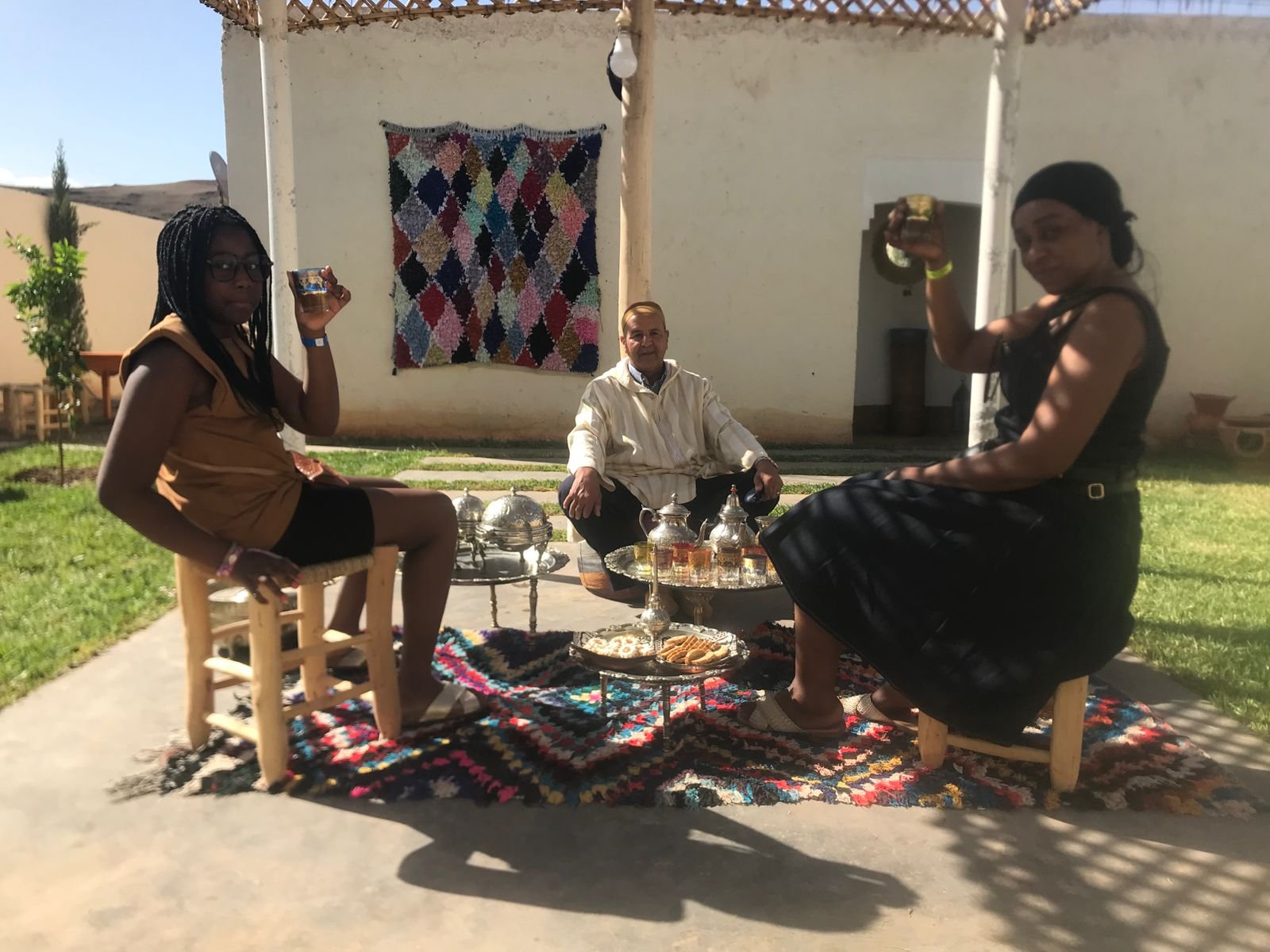
Join us at DarAmira Cooking Class in the beautiful Ourika Valley. Learn these techniques hands-on from Chef Amira, using authentic clay tagines and fresh local ingredients.
Book Your Class NowWhat You'll Learn in Our Tagine Class
- Selecting and seasoning clay tagines
- Creating authentic spice blends from scratch
- Proper layering techniques for maximum flavor
- Temperature control and timing secrets
- Three complete tagine recipes
- Making preserved lemons from scratch
- Traditional bread baking to accompany
- Moroccan table setting and serving rituals